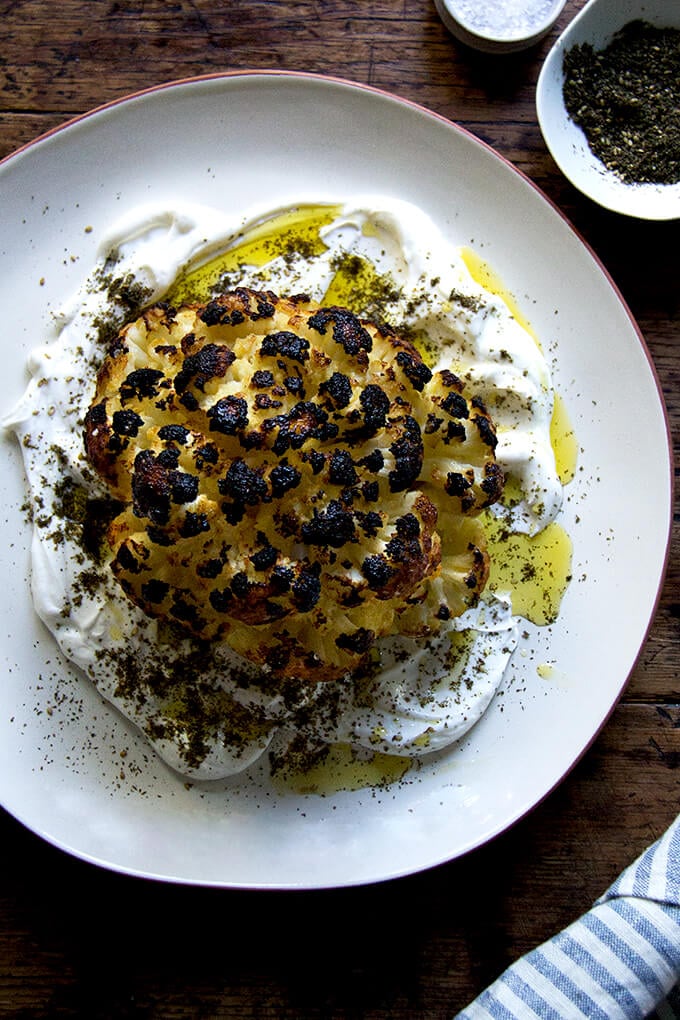
Sweet, Spiced, or Tangy: Discover Your Favorite Roasted Cauliflower
Few dishes can transform a humble vegetable into a culinary masterpiece quite like roasted cauliflower. It’s a versatile canvas, capable of soaking up an incredible array of flavors, from deeply savory to subtly sweet, and wonderfully spiced to zestfully tangy. Among its most celebrated preparations is the whole roasted cauliflower with lemony yogurt sauce – a dish that stands tall as a centerpiece, offering both visual appeal and an explosion of taste. This comprehensive guide will explore the art of perfectly roasting cauliflower, delve into the magic of its accompanying creamy, bright sauce, and inspire you to experiment with various flavor profiles to discover your ultimate favorite.
The Art of Perfect Whole Roasted Cauliflower
Roasting cauliflower whole is not just a presentation choice; it fundamentally alters its texture and flavor. While florets offer convenience, a whole head develops a unique tenderness within while its exterior caramelizes into a deeply savory, often charred delight. The key to success lies in two main areas: proper preparation and the right cooking method.
Prepping for Perfection: Softening Before the Sizzle
Unlike simply tossing florets in oil, a whole head of cauliflower benefits immensely from a pre-treatment to ensure it cooks evenly and reaches that coveted tender-crisp texture. There are two primary methods for this initial softening:
- The Boil Method: This technique, often favored for achieving a uniformly tender interior, involves boiling the cauliflower in a large pot of heavily salted water. The salt isn't just for seasoning; it helps penetrate the cauliflower, enhancing its internal flavor. Place the trimmed cauliflower (stem-side down, leaves often left intact for flavor and presentation) into boiling water, using a heatproof plate or lid to keep it submerged. Boil for 10-13 minutes, or until a fork can be inserted with little resistance. This step ensures the cauliflower is tender through to its core before it even touches the oven. After boiling, it’s crucial to let it drain and dry slightly, preventing steaming in the oven and promoting better caramelization.
- The Microwave Method: A quicker alternative to boiling, microwaving the cauliflower on high for 6-7 minutes until it’s just steaming can achieve a similar initial tenderization. This method is excellent for those looking for a faster prep time without sacrificing a tender interior.
Once pre-cooked, the cauliflower is ready for its flavor bath. Drizzle generously with high-quality extra-virgin olive oil, ensuring every crevice is coated. For seasoning, a combination of fine kosher salt and a flaky sea salt like Maldon adds layers of salinity and texture. Don't be shy with the salt; it's essential for bringing out the cauliflower's natural sweetness and ensuring a well-seasoned result. Rubbing the oil and salt in by hand ensures an even application, promoting that beautiful, dark brown char we aim for.
High Heat for Maximum Flavor: Achieving the Char
The secret to truly spectacular charred whole cauliflower is high heat roasting. Preheat your oven to a blazing 450-550°F (230-290°C). This intense heat is what encourages the exterior to caramelize and crisp up, developing rich, nutty, and slightly smoky notes that are irresistible. Place the prepped cauliflower, stem-side down, on a parchment-lined baking sheet. Roast for about 25-40 minutes, depending on your oven and desired level of char. Keep a close eye on it, as high heat can lead to quick browning. If you find it's not darkening enough, a brief stint under the broiler (watching constantly!) can deliver that final perfect crisp.
After roasting, a final drizzle of fresh olive oil over the hot cauliflower adds a luxurious sheen and enhances its flavor profile before serving.
Crafting the Irresistible Lemony Yogurt Sauce
The cooling, tangy counterpoint to the warm, charred cauliflower is undoubtedly the lemony yogurt sauce. This simple yet profound accompaniment elevates the dish from a humble vegetable side to a show-stopping main. Its creaminess balances the cauliflower's texture, while its bright acidity cuts through the richness, creating a harmonious culinary experience.
The Core Ingredients: Simplicity at Its Best
At its heart, the sauce is incredibly straightforward, relying on the quality of its components:
- Plain Greek Yogurt: Opt for a full-fat, good-quality Greek yogurt (like Fage, as suggested in some culinary circles). Its thickness provides the perfect body for the sauce, and its natural tang is essential.
- Fresh Lemon Juice and Zest: This is where the "lemony" in the sauce truly shines. Use freshly squeezed lemon juice for the brightest flavor, and don't skip the zest! The zest contains aromatic oils that intensify the citrus notes without adding extra liquid.
- Salt: Season to taste. A good pinch of kosher salt will enhance all the other flavors.
- Extra-Virgin Olive Oil: A drizzle of high-quality olive oil, stirred into the sauce or drizzled over the top when serving, adds a silky mouthfeel and a subtle peppery finish.
Simply stir these ingredients together until smooth. Taste and adjust the seasoning as needed. The sauce should be bright, tangy, and subtly salty.
Elevating the Sauce: Beyond the Basics
While delicious on its own, the lemony yogurt sauce is also highly adaptable. Consider these additions to customize your experience:
- Fresh Herbs: Finely chopped cilantro, mint, dill, or parsley can add a burst of freshness and color. Thyme leaves (as suggested in one reference) also offer an aromatic depth.
- Spices: A sprinkle of Za'atar (a Middle Eastern spice blend featuring thyme, sesame seeds, and sumac) is a classic pairing that adds earthy and tangy notes. A touch of garlic powder or a finely minced fresh garlic clove can also introduce a savory kick.
- Tahini: For a richer, nuttier, and slightly more Middle Eastern profile, whisk in a tablespoon or two of tahini (sesame paste). This creates a "tahini yogurt sauce" that pairs wonderfully with spicier cauliflower variations.
For more inspiration on creating vibrant and zesty sauces, check out our guide on Whole Roasted Cauliflower with Zesty Lemony Yogurt Sauce.
Flavor Journeys: Sweet, Spiced, and Tangy Variations
While the classic whole roasted cauliflower with lemony yogurt sauce is a star, the beauty of this dish lies in its potential for customization. You can easily adjust the seasoning of the cauliflower itself to lean into sweet, spiced, or even more tangy profiles, creating a diverse culinary journey for your palate.
Sweet & Savory Cauliflower
For a delightful contrast, introduce a touch of sweetness to your roasted cauliflower. Before roasting, brush the pre-cooked cauliflower with a mixture of olive oil and a small amount of honey or maple syrup. A pinch of chili flakes (as suggested in one recipe) alongside the honey creates a fantastic sweet-heat dynamic that is incredibly addictive. The sugars will caramelize beautifully in the high heat, forming a delicious, sticky glaze on the exterior.
Boldly Spiced Cauliflower
If you crave a more aromatic and robust flavor, an array of spices can transform your cauliflower. Before roasting, rub the oiled cauliflower with a blend of:
- Cumin and Coriander: A classic pairing for earthy, warm notes.
- Smoked Paprika: Adds depth and a beautiful reddish hue.
- Curry Powder or Garam Masala: For an Indian-inspired twist.
- Moroccan Spice Blend: As seen in some preparations, these blends often include turmeric, ginger, cinnamon, and allspice, offering an exotic warmth.
- Garlic Powder/Granules: Always a welcome addition for savory depth.
Combine your chosen spices with olive oil and a squeeze of lemon juice to create a paste, then generously coat the cauliflower. The spices will toast and bloom in the oven, infusing the cauliflower with incredible aroma and flavor.
Extra Tangy Cauliflower
While the lemon yogurt sauce provides ample tang, you can amplify this profile in the cauliflower itself. A generous squeeze of lemon juice over the cauliflower before roasting, perhaps with a sprinkle of sumac, can enhance its bright, zesty character. The acidity also helps to tenderize the vegetable slightly and adds another layer of complexity to the final dish, perfectly complementing the creamy sauce.
Serving Suggestions and Culinary Pairings
The whole roasted cauliflower with lemony yogurt sauce is remarkably versatile and can be served in many ways. It shines equally as a stunning vegetarian main course or a substantial side dish.
To serve, create a generous smear of the lemony yogurt sauce on a large platter or individual plates. Carefully place the hot, charred whole roasted cauliflower on top of the sauce. For a final flourish, consider these garnishes:
- Fresh Herbs: A scattering of fresh cilantro, parsley, or mint leaves adds color and freshness.
- Pomegranate Seeds: Their jewel-like appearance and burst of sweet-tart juice offer a delightful textural and flavor contrast.
- Toasted Nuts: Pistachios, almonds, or pine nuts provide a satisfying crunch.
- Za'atar or Chili Flakes: A final sprinkle can echo the flavors in the sauce or add a touch of heat.
- A Drizzle of Best-Quality Olive Oil: Enhances richness and presentation.
Pair this vibrant dish with a simple grain like fluffy couscous or quinoa to soak up the delicious sauce. It also complements grilled meats or fish beautifully, adding a robust vegetarian component to a larger meal. For a mezze-style spread, serve it alongside hummus, pita bread, and other Mediterranean salads.
Conclusion
From its humble beginnings, cauliflower transforms into a culinary showstopper when roasted whole and paired with a bright, zesty lemony yogurt sauce. Whether you prefer a hint of sweetness, a bold spice blend, or an extra tangy kick, the journey of discovering your favorite roasted cauliflower is a delicious one. This dish is not just a testament to the vegetable's versatility but also an easy way to bring a stunning, healthy, and incredibly flavorful meal to your table. So, embrace the char, perfect your sauce, and prepare to impress with this irresistible creation.
